
The Texas Thermal Defense: Mastering Residential Window Tinting
Every homeowner in the Lone Star State shares a common summer adversary: the relentless, blazing sun. When temperatures climb well past the triple-digit mark, your home windows act like giant thermal magnifying glasses. Solar energy streams directly through standard glass panes, turning comfortable living spaces into hot zones and forcing air conditioning units to run continuously.
To combat this intense heat load, property owners traditionally rely on heavy fabric drapes or thick interior blinds. However, these traditional window coverings trap heat inside the room while completely blocking your natural outdoor views.
Upgrading your home with professional residential window tinting in Texas offers a modern, high-tech solution. This process applies a specialized, micro-thin architectural layer directly to your existing glass surfaces. It functions as a powerful shield, reflecting invisible thermal energy away from your structure before it can ever cross your threshold.
The Science of Solar Radiation and Home Insulation
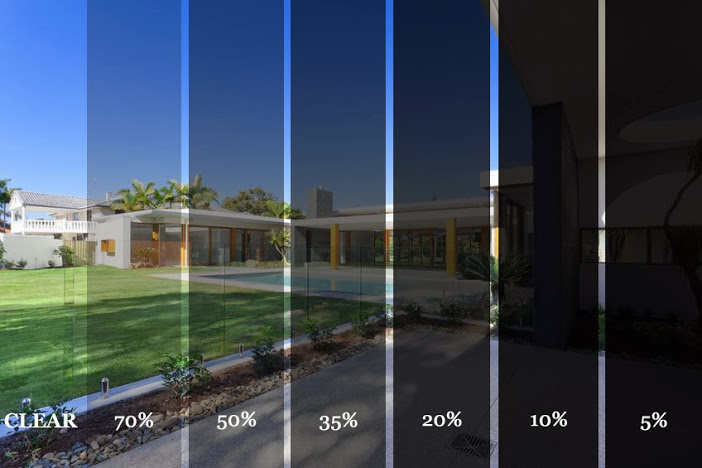
Understanding why standard residential windows struggle against local climate conditions requires a brief look at the solar spectrum. Solar energy reaching your property consists of three distinct components: visible light, ultraviolet (UV) radiation, and infrared (IR) waves.
While visible light allows us to see our surroundings, infrared waves carry the actual physical heat you feel on your skin. Standard clear window glass provides virtually zero protection against these invisible wavelengths. Consequently, radiant heat passes directly into your home, warming up floors, heavy furniture, and interior walls.
This thermal transfer triggers a secondary problem known as the greenhouse effect. The trapped heat remains locked inside your living spaces, causing indoor temperatures to climb steadily even after the sun goes down.
Interactive Energy Savings & Solar Rejection Calculator
Every residential property features unique architectural layouts, window orientations, and exposure levels to direct sunlight. Use our interactive tool below to simulate how adding high-performance solar films can drop your home’s heat load and reduce your reliance on continuous air conditioning.
The Top 4 Advantages of Architectural Film Solutions
Investing in high-quality architectural film changes the daily living dynamic of your property. Rather than merely hiding from the sun, you actively control how solar energy interacts with your living space. Specifically, homeowners experience four immediate structural and financial advantages:
1. Significant Utility Cost Reductions
Your home cooling system is likely the single largest consumer of electricity on your monthly utility profile. When solar heat floods your rooms, your air conditioner must work harder to maintain a stable interior climate. High-performance architectural films can reject up to 85% of incoming infrared heat energy. This thermal barrier drops internal demands, allowing your cooling system to cycle less frequently and reducing your seasonal electric bills.
2. Complete Elimination of Interior Fading
The bright sunlight that brightens your interior also carries a hidden threat. Ultraviolet rays are the leading cause of photodegradation, a process that permanently bleaches hardwood floors, ruins custom drapery, and cracks fine leather furniture. According to data published by the U.S. Department of Energy (DOE), solar radiation is responsible for roughly 40% of residential interior fading issues. Professional film applications block 99% of these destructive UV rays, preserving your valuable interior decor for years.
3. Daytime Privacy Without Blocking Views
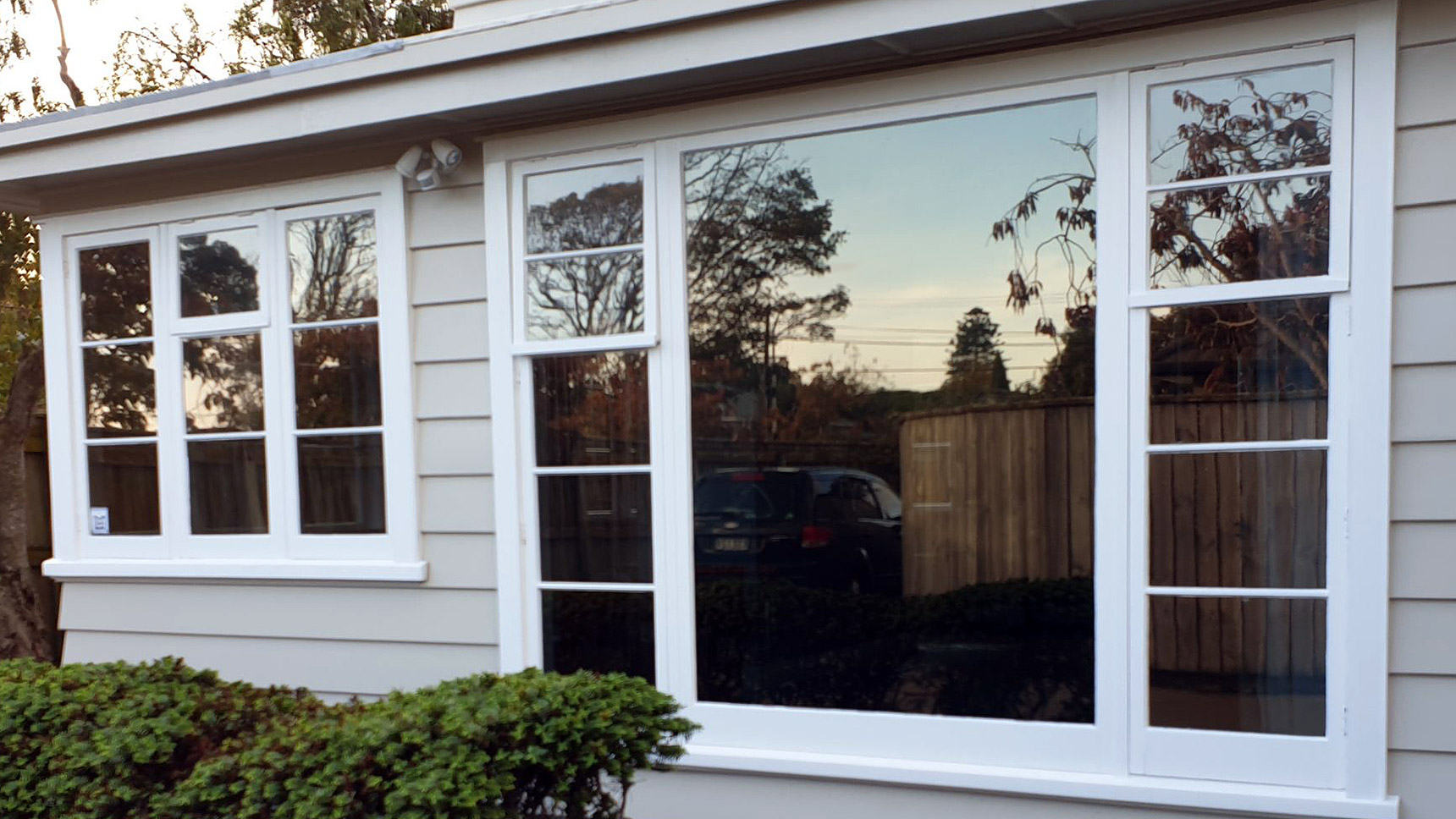
Maintaining a comfortable level of privacy inside a suburban neighborhood often requires keeping your blinds permanently shut. This practice can make your interior feel dark, isolated, and disconnected from the outdoors. Advanced spectrally selective films leverage specialized optical properties to create a subtle reflective exterior finish during the day. This feature blocks outside eyes from seeing into your home while keeping your interior views completely clear and unobstructed.
4. Balanced Temperature Zones
Many multi-story residential properties suffer from severe internal climate imbalances. Rooms with large west-facing or south-facing windows often feel significantly warmer than the rest of the house, turning upstairs bedrooms or home offices into uncomfortable spaces. Applying a uniform solar film balances heat distribution across your entire floor plan, eliminating annoying hot spots and ensuring every room remains completely usable regardless of the hour.
Architectural Film Performance vs. Traditional Window Coverings
When designing a defensive strategy against intense solar heat, it is helpful to look at how different options stack up against each other. The comparative table below outlines how modern architectural films perform directly against basic interior blinds and drapes across core property management categories:
| Thermal Performance Metric | Traditional Fabric Drapes & Blinds | Advanced Architectural Window Films |
| Solar Heat Rejection Vector | Traps heat after it enters the room, warming up the window sill | Reflects heat before it passes through the glass pane |
| Daytime View Preservation | Completely blocks natural light and outdoor scenery when closed | Maintains sharp visual clarity and natural outdoor colors |
| Ultraviolet (UV) Radiation Shielding | Limited; fabrics can degrade, fade, and fray over time | Continuous 99% elimination of all destructive UV rays |
| Interior Glare Minimization | Requires complete room darkness to stop television reflection | Diffuses harsh sunlight to allow comfortable viewing |
| Long-Term Equipment Life Impact | AC still runs frequently to counter ambient radiant heat | Lowers the overall thermal load, extending your AC life |
Debunking Common Myths About Residential Films
Because window film technology has evolved rapidly over the last several decades, a few outdated misconceptions still linger among property owners. Understanding modern manufacturing methods can help clarify what these products actually deliver.
A common concern is that installing a solar film will make your interior look dark, gloomy, or commercial. While early dark metalized films did have a distinct silver look, modern architectural films utilize advanced ceramic nanoparticles. These ceramic layers are engineered to target specific invisible portions of the solar spectrum while remaining virtually indistinguishable on your glass. You can achieve exceptional heat rejection without altering the exterior aesthetic of your home or sacrificing precious natural light.
Another frequent question involves potential damage to modern glass units, such as double-pane or Low-E windows. Older automotive films could absorb excess heat, causing dangerous thermal stress that could rupture the perimeter seals on residential double-pane systems. Professional installers utilize specific, non-metalized films that are structurally optimized to work safely with modern multi-pane glass. This careful engineering ensures proper heat dissipation without risking seal failure or voiding your glass manufacturer’s warranty.
Elevate Your Home Comfort and Efficiency
Protecting your property investment requires a proactive strategy that keeps external elements from disrupting your indoor peace. Relying on basic interior window coverings can leave your home vulnerable to rising utility costs, faded valuables, and uncomfortable interior hot spots. Securing professional residential window tinting in Texas is the single most efficient, cost-effective upgrade available to lower energy consumption while maintaining a bright, open living environment.
If you are ready to stop fighting the summer sun and establish a permanent line of defense for your property, connect with the local glass enhancement specialists at Shift Wraps. Our highly trained, detail-oriented installation teams specialize in handling delicate architectural films across the region.
We will carefully evaluate your property’s specific window orientations, recommend the perfect film darkness for your personal lifestyle goals, and execute a flawless, bubble-free installation. Contact us today to request a free, personalized quote, and let us help you transform your home into a cool, energy-efficient sanctuary.